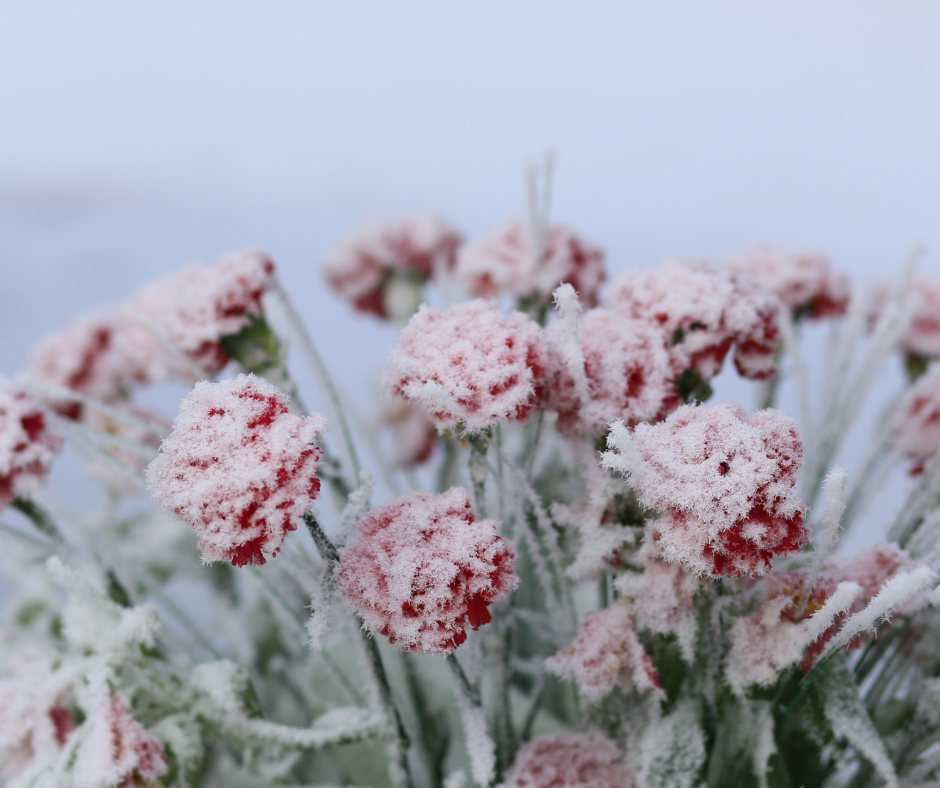
7 Essential Tips to Protect Your Flowers During a Freeze in the South
Southern winters may be mild compared to northern climates, but when a freeze hits, it can do serious damage—especially to tender flowers and seasonal plantings. Sudden temperature drops, frost, and icy winds can stress or kill plants that normally thrive in the region’s warmer weather. For commercial properties, preserving your flower beds isn’t just about aesthetics—it’s about protecting your landscaping investment and maintaining curb appeal through the winter months.
At RCI, we help businesses across the Gulf South prepare for unpredictable weather. Below are seven essential tips to safeguard your flowers when a freeze is in the forecast.
1. Water Your Plants Before the Freeze
It may seem counterintuitive, but well-watered soil retains heat better than dry soil. Moist soil helps insulate plant roots and increases humidity around the plant, reducing freeze damage.
Before a freeze:
- Water earlier in the day so the soil has time to absorb moisture
- Focus on flower beds and newly installed plantings
- Avoid overwatering or creating standing water
Proper hydration acts as a natural heat buffer against cold temperatures.
2. Add a Thick Layer of Mulch
Mulch is one of the most effective insulators for your flower beds. It stabilizes soil temperature and protects delicate root systems.
Effective mulch materials include:
- Pine straw
- Bark mulch
- Shredded leaves
- Compost blends
A 2–4 inch layer can make a significant difference in keeping soil temperatures steady during a freeze.
3. Cover Flowers with Frost Cloth or Breathable Fabric
Covering flowers is critical during freezes, but the type of covering matters. Never use plastic directly over plants, as it traps moisture and can cause more damage.
Use breathable, lightweight materials such as:
- Frost cloth
- Burlap
- Sheets or light blankets
- Commercial plant protection fabric
Make sure the cover extends to the ground to trap warmth, and secure it against wind. Remove coverings the next morning once temperatures rise.
4. Move Container Plants to Protected Areas
Flowers in pots are far more vulnerable to cold because their roots have less insulation than in-ground beds.
Before a freeze:
- Move containers under covered walkways or awnings
- Group plants together for shared warmth
- Bring sensitive varieties indoors or into maintenance areas
Even a small increase in temperature can be enough to protect container plantings from freeze damage.
5. Use Temporary Heat Sources When Appropriate
In some cases, commercial properties may use safe, temporary heating solutions for high-value landscapes.
Options include:
- Outdoor-approved heat lamps
- String lights (non-LED) that emit gentle warmth
- Commercial-grade frost protection systems
Heat sources must always be used with caution and installed by professionals to ensure safety and effectiveness.
6. Avoid Pruning Before or During a Freeze
Pruning stimulates new growth, which is extremely vulnerable to cold temperatures. Cutting back flowers or shrubs before a freeze can weaken the plant and increase stress.
Instead:
- Wait until after the freeze event
- Inspect plants once temperatures rise
- Remove only damaged or dead material
Let the plant recover naturally before scheduling any major pruning.
7. Monitor Weather Forecasts and Prepare Early
Southern freezes often strike with little warning. Staying informed ensures you can protect your flowers in time.
Best practices include:
- Watching hourly forecasts when temperatures drop below 35°F
- Preparing coverings and materials in advance
- Scheduling protective services with your landscape provider early in the season
Quick action can make the difference between thriving flowers and freeze damage.
Why Freeze Protection Matters for Commercial Properties
Flowers are a key element of curb appeal—especially for high-visibility spaces like retail centers, office parks, hospitals, and hospitality properties. Protecting your plantings means:
- Preserving your landscape investment
- Reducing replacement costs
- Maintaining a polished, welcoming property
- Supporting long-term plant health into spring
With the right preparation, Southern landscapes can withstand winter weather and bounce back stronger than ever.
Prepare for Freeze Season With RCI
Sudden freezes don’t have to catch your property off guard. From seasonal color programs to freeze preparation and recovery, RCI provides proactive landscape care tailored to Southern climates.
.avif)