When people walk through a well-designed space, they rarely stop to think about why it feels so easy to navigate. They just know it works. Movement feels natural. Transitions feel smooth. Nothing feels forced or confusing.
That’s not by accident—it’s intentional design.
One of the most valuable lessons from large-scale environments like theme parks is the concept of flow. Guests are guided seamlessly from one space to another without needing constant signage or direction. Every pathway, planting, and visual cue is carefully placed to create an intuitive experience.
The same principle applies to commercial landscape design—and when done right, it can completely transform how people interact with a property.
What Does “Flow” Mean in Landscape Design?
Flow refers to how people move through a space. It’s the invisible structure that connects entrances, walkways, gathering areas, and focal points.
In commercial environments, poor flow can lead to:
- Confusion and frustration
- Crowded or underutilized areas
- Missed opportunities for engagement
On the other hand, strong flow creates a sense of ease. It helps visitors, tenants, and employees move naturally through a space without having to think about it.
How Landscaping Guides Movement
Unlike walls or barriers, landscaping influences behavior in subtle ways. It doesn’t force direction—it suggests it.
Thoughtfully designed landscapes use elements like:
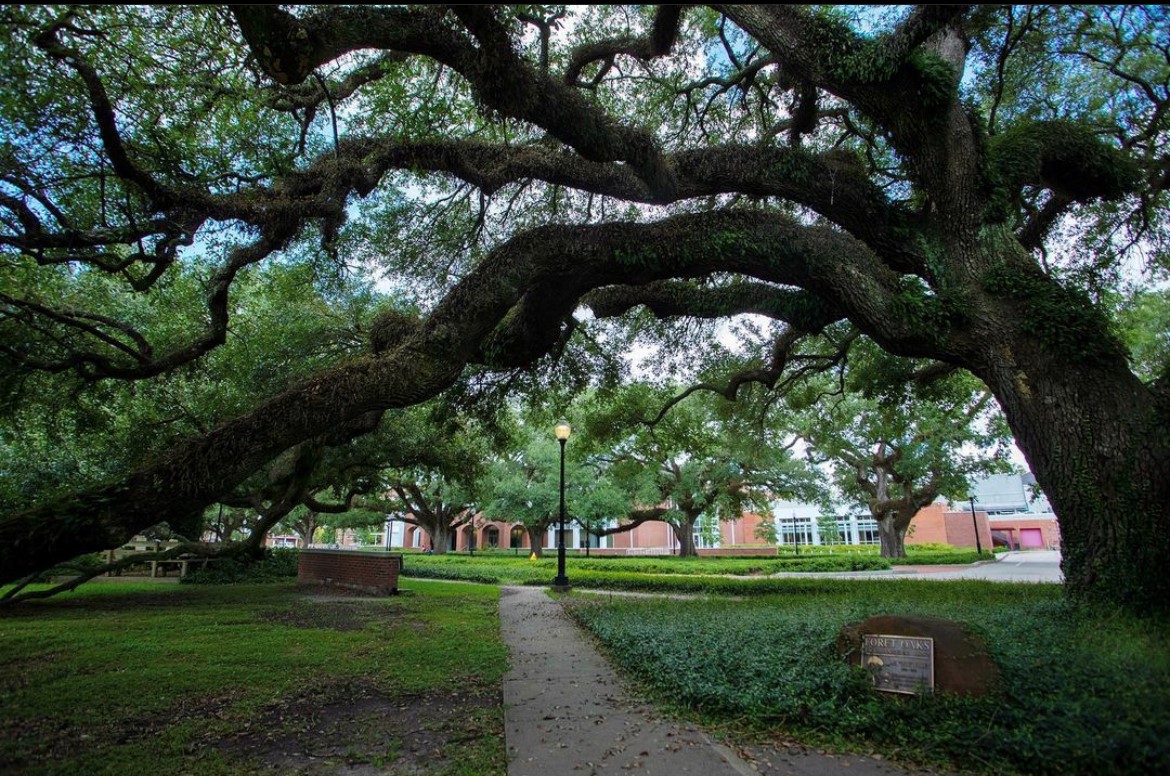
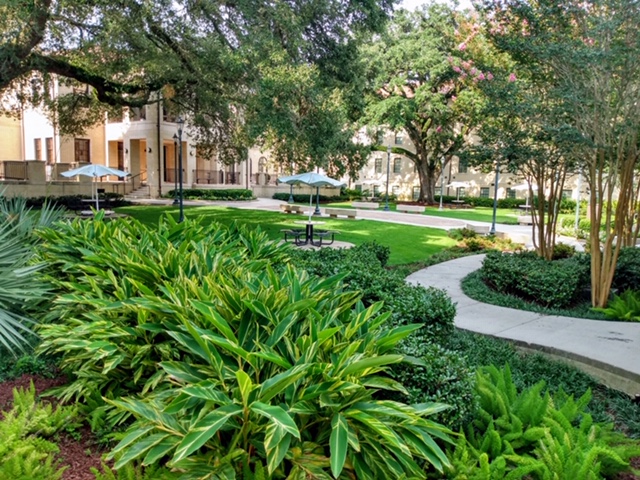
- Walkways and Pathways
Clearly defined paths encourage movement while preventing foot traffic from damaging surrounding areas. - Plantings and Green Buffers
Trees, shrubs, and beds can guide people along preferred routes while discouraging shortcuts or congestion. - Visual Focal Points
Features like signage, architectural elements, or statement plantings draw the eye—and naturally pull people in that direction.
Together, these elements create a system that feels intuitive rather than controlled.
Reducing Congestion in High-Traffic Areas
In busy commercial spaces—like retail centers, office campuses, or healthcare facilities—traffic flow is critical.
Without proper planning, you may see:
- Bottlenecks near entrances
- Overcrowded walkways
- Areas that feel chaotic or disorganized
Strategic landscape design helps distribute traffic more evenly by:
- Widening or narrowing pathways where needed
- Creating multiple access points
- Using layout to naturally disperse crowds
The result is a space that feels more open, organized, and efficient.
Enhancing Accessibility Through Design
Good flow isn’t just about convenience—it’s also about accessibility.
A well-designed commercial landscape ensures that everyone can navigate the space comfortably, including individuals with mobility challenges.
This includes:
- Smooth, clearly defined walking surfaces
- Logical routes between key areas
- Minimal obstacles or confusing transitions
When accessibility is built into the design from the start, the entire space becomes more inclusive and user-friendly.
Why Effortless Movement Creates Better Experiences
People may not consciously notice great flow—but they always feel it.
When movement is easy:
- Visitors stay longer
- Customers feel more comfortable
- Tenants and employees have a better daily experience
On the flip side, poor flow creates friction—and friction pushes people away.
That’s why landscape design should never be treated as an afterthought. It plays a direct role in how a space performs.
Design That Works Behind the Scenes
The best commercial landscapes don’t just look impressive—they function seamlessly. They guide, organize, and enhance every interaction within a space without drawing attention to themselves.
At RCI, we approach landscape design with both aesthetics and performance in mind. Because a space that looks great is important—but a space that works is what truly makes an impact.