
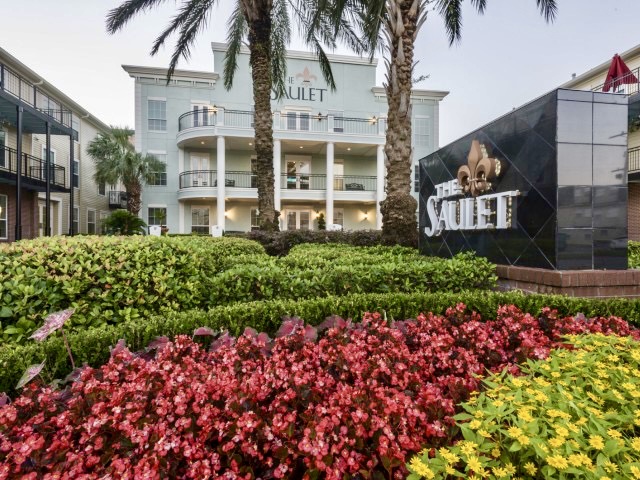
Landscapes That Last: Building for Heat, Rain, and Storm Conditions
The Gulf South’s environment is one of its greatest strengths—but for commercial landscapes, it can also be one of the biggest challenges.
Between intense heat, high humidity, heavy rainfall, and the threat of severe storms, outdoor spaces are constantly under pressure. A landscape that looks great on day one can quickly decline if it isn’t built with these conditions in mind.
That’s why successful commercial landscape planning isn’t just about aesthetics—it’s about durability, resilience, and long-term performance.
Why Climate-Responsive Landscapes Matter
Not all environments place the same demands on a landscape. In regions with extreme weather patterns, every element must work harder.
Outdoor spaces must account for:
- Prolonged heat and sun exposure
- Frequent and heavy rain events
- Poor drainage in certain soil conditions
- Strong winds and storm impact
Ignoring these factors often leads to higher maintenance costs, plant loss, and repeated repairs.
A smarter approach starts with building for the environment—not against it.
Choosing Plants That Can Handle the Conditions
Plant selection is one of the most important decisions in any landscape—and it can make or break long-term success.
Native and adaptive plants are ideal because they:
- Thrive in local soil and weather conditions
- Require less water and maintenance
- Recover more quickly after storms
These plants are naturally equipped to handle environmental stress, making them a more reliable and cost-effective choice over time.
Planning for Drainage and Water Management
Heavy rainfall can quickly become a problem without the right infrastructure in place.
Poor drainage can lead to:
- Standing water
- Root damage
- Soil erosion
- Long-term landscape failure
Effective landscape planning incorporates:
- Proper grading to direct water flow
- Drainage systems that prevent buildup
- Soil preparation that supports healthy absorption
Managing water isn’t optional—it’s essential.
Accounting for Heat and Sun Exposure
High temperatures can stress both plants and people.
A well-built landscape accounts for this by:
- Incorporating shade through canopy trees
- Selecting heat-tolerant plant species
- Creating cooler, more comfortable outdoor spaces
These elements not only protect the landscape but also improve the overall experience of the space.
Building for Storm Resilience
Storms are unpredictable, but landscape damage doesn’t have to be.
Planning for resilience includes:
- Selecting wind-resistant trees and plantings
- Avoiding fragile or high-risk materials
- Ensuring proper installation techniques for stability
The goal is to minimize damage and reduce recovery time after severe weather events.
Reducing Long-Term Maintenance and Costs
Landscapes that aren’t built for challenging conditions often require constant upkeep—and that means higher costs over time.
By taking a strategic approach, property owners can:
- Reduce plant replacement
- Lower water usage
- Minimize ongoing maintenance
A resilient landscape isn’t just stronger—it’s more efficient.
Landscapes Built to Perform
At RCI, every outdoor space is approached with long-term performance in mind. From plant selection to drainage planning, each decision is made to ensure durability, efficiency, and lasting impact.
Because a successful landscape isn’t just one that looks good today—it’s one that continues to perform year after year.

.avif)

