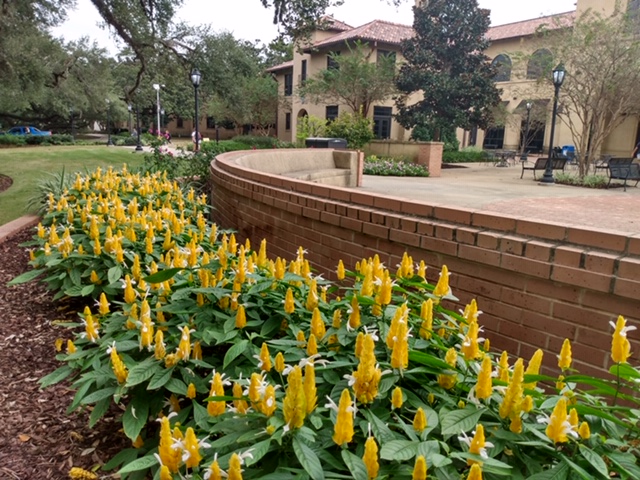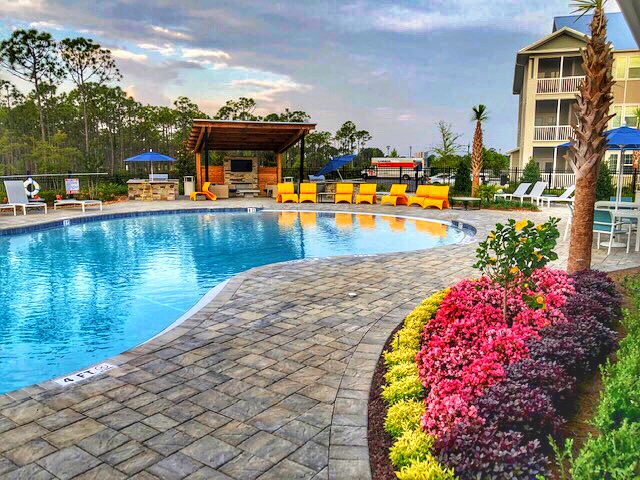
What Is Sustainable Landscaping?
Sustainable landscaping focuses on creating landscapes that:
- Use resources efficiently
- Reduce environmental impact
- Require less long-term maintenance
- Thrive in their natural climate
It’s not about sacrificing appearance—it’s about improving performance.
1. Water Efficiency Is a Priority
Water management is one of the biggest factors in sustainable design.
Traditional landscapes often waste water through:
- Over-irrigation
- Poor system design
- Inefficient scheduling
Sustainable landscapes use:
- Smart irrigation systems
- Drought-tolerant plant material
- Proper grading and drainage
The result? Healthier plants with less water usage.
2. Plant Selection Matters More Than Ever
One of the most impactful decisions in landscaping is choosing the right plants.
Sustainable landscapes prioritize:
- Native or adaptive species
- Plants suited to local soil and climate conditions
- Materials that require less chemical intervention
This reduces:
- Plant loss
- Maintenance costs
- Reliance on fertilizers and pesticides
3. Soil Health Is the Foundation
Healthy soil is often overlooked—but it’s critical to sustainability.
Strong soil structure:
- Improves water retention
- Supports root growth
- Reduces runoff and erosion
Practices like mulching, composting, and soil conditioning all contribute to long-term landscape success.
4. Reducing Maintenance Without Sacrificing Quality
Sustainability isn’t about neglect—it’s about efficiency.
Modern sustainable landscapes are designed to:
- Minimize unnecessary upkeep
- Reduce mowing and trimming
- Use durable materials that last longer
This creates a cleaner, more polished look with fewer resources.
5. Long-Term Thinking Over Short-Term Fixes
One of the biggest shifts in landscaping is moving away from quick fixes toward long-term strategy.
Instead of constantly replacing plants or correcting issues, sustainable landscapes are built to:
- Adapt over time
- Withstand environmental stress
- Maintain their appearance with less intervention
Why This Trend Is Growing
Several factors are driving the rise of sustainable landscaping:
- Increasing water and maintenance costs
- Environmental awareness
- Demand for long-term property value
- Local regulations and incentives
For commercial properties, sustainability also plays a role in brand perception and corporate responsibility.
RCI Insight
At RCI, sustainability isn’t a trend—it’s part of how we approach every project.
From plant selection to irrigation design, our goal is to create landscapes that perform efficiently and hold up over time—especially in demanding climates like Louisiana.
The Future of Landscaping
Sustainable landscaping is not just where the industry is headed—it’s where it already is.
Properties that invest in smarter, more efficient landscapes today will see the benefits in reduced costs, improved performance, and long-term value.