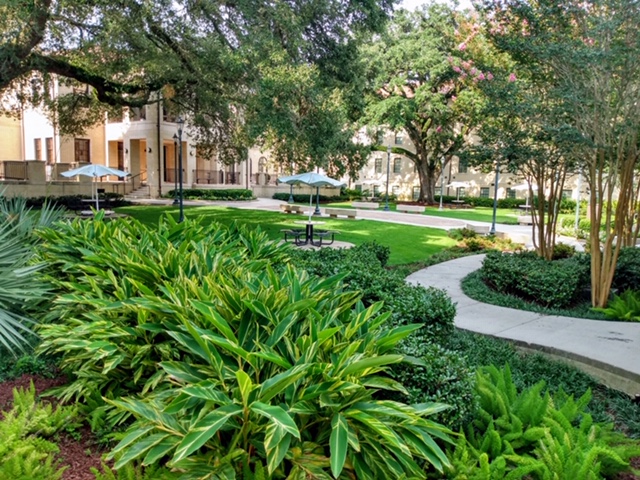
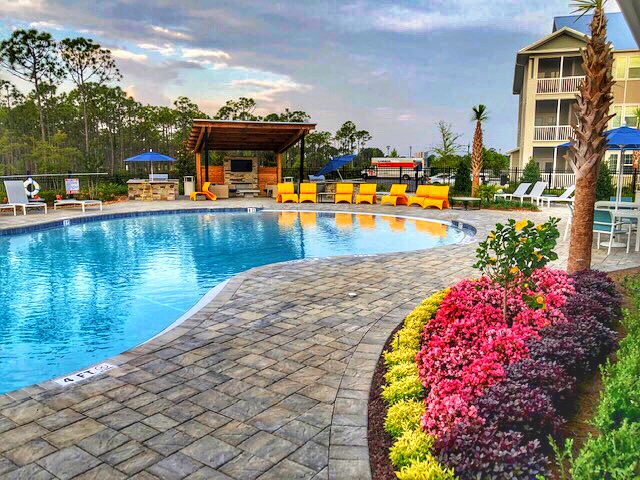
For many property managers, landscaping is seen as a line item—something necessary to maintain, but rarely something that drives real value.
In reality, landscaping is one of the most underutilized tools for improving property performance. When designed and maintained strategically, it does far more than enhance curb appeal—it directly impacts tenant satisfaction, safety, and long-term return on investment.
First Impressions That Influence Decisions
Before anyone steps inside a building, they’ve already formed an opinion.
The condition of a property’s exterior sends a clear message. Clean, well-maintained landscaping signals professionalism, attention to detail, and pride in ownership. On the other hand, neglected grounds can raise immediate concerns—even if the interior is well-managed.
For prospective tenants, clients, or visitors, that first impression can influence:
- Leasing decisions
- Brand perception
- Overall trust in the property
Landscaping sets the tone before a single word is spoken.
Tenant Retention Starts Outside
Attracting tenants is only part of the equation—keeping them is where long-term value is created.
Outdoor spaces play a bigger role in tenant satisfaction than many property managers realize. Employees notice their surroundings daily. Customers interact with exterior spaces before entering a business.
Well-designed and maintained landscapes contribute to:
- A more enjoyable work environment
- Increased pride in the property
- Higher likelihood of lease renewals
In competitive markets, these details make a measurable difference.
Reducing Risk and Liability
Landscaping isn’t just about aesthetics—it’s also a critical component of safety.
Poorly maintained grounds can lead to:
- Trip and fall hazards
- Obstructed walkways
- Reduced visibility in key areas
Strategic landscape design and maintenance help minimize these risks by ensuring:
- Clear, accessible pathways
- Proper lighting integration
- Regular upkeep of plantings and hardscapes
Investing in landscaping is also an investment in risk management.
Increasing Property Value Over Time
High-quality landscaping has a direct impact on both perceived and actual property value.
Properties with strong curb appeal:
- Attract higher-quality tenants
- Command more competitive lease rates
- Stand out in crowded markets
Beyond perception, thoughtful design—such as efficient irrigation systems and durable plant selection—also reduces long-term operational costs.
This combination of visual appeal and operational efficiency contributes to stronger overall asset performance.
Lowering Long-Term Maintenance Costs
Not all landscaping is created equal. Poor design choices often lead to higher maintenance demands and increased costs over time.
Strategic planning can significantly reduce these expenses through:
- Use of native or adaptive plant species
- Efficient irrigation systems
- Smart layout that minimizes wear and tear
A well-designed landscape doesn’t just look better—it performs better year after year.
From Expense to Investment
The biggest misconception about landscaping is that it’s simply a cost to manage.
In reality, it’s a tool to leverage.
When approached strategically, landscaping contributes to:
- Stronger tenant retention
- Improved safety and reduced liability
- Increased property value
- Lower long-term operating costs
It becomes not just an enhancement—but a driver of ROI.
A Smarter Approach to Commercial Landscaping
At RCI, we believe landscaping should work as hard as the properties we support. That means designing and maintaining outdoor spaces that deliver measurable value—not just visual appeal.
Because when done right, landscaping isn’t an expense—it’s an investment that pays off over time.