
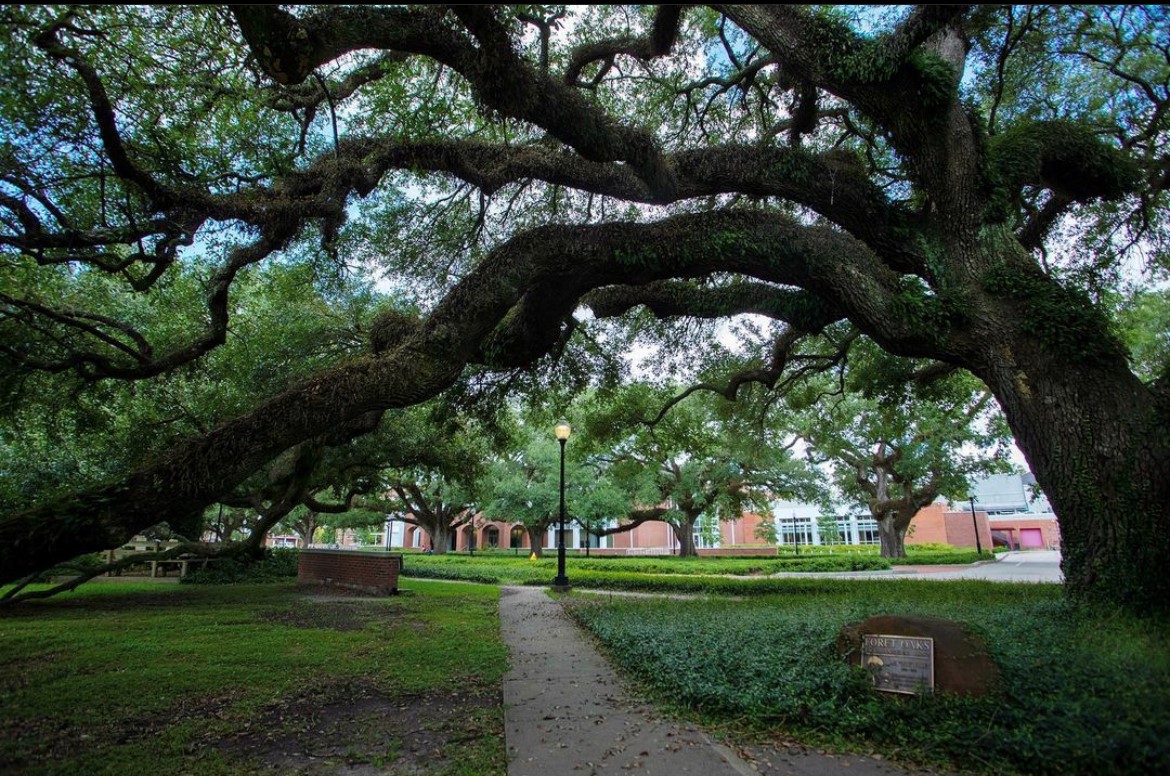
Today's commercial property owners face increasing pressure to balance operational efficiency, environmental responsibility, and tenant satisfaction. As sustainability becomes a larger focus across industries, many organizations are rethinking how their outdoor spaces are designed, maintained, and managed.
Sustainable commercial landscaping has emerged as one of the most effective ways to reduce operating costs, improve environmental performance, and enhance property appeal. Far from being a trend, sustainable landscaping is becoming a long-term strategy for organizations seeking to maximize the value of their properties.
Here's why more commercial property owners are making sustainability a priority in their landscape management plans.
What Is Sustainable Commercial Landscaping?
Sustainable commercial landscaping focuses on creating and maintaining outdoor spaces that conserve resources, support environmental health, and deliver long-term value.
This approach often includes:
- Water-efficient irrigation systems
- Native and adaptive plant selections
- Soil health management
- Reduced chemical usage
- Stormwater management solutions
- Efficient maintenance practices
The goal is to create landscapes that thrive with fewer resources while maintaining a professional appearance.
Lower Water Consumption and Utility Costs
Water is one of the largest ongoing expenses associated with landscape management.
Sustainable landscaping strategies help reduce water usage through:
Smart Irrigation Technology
Modern irrigation systems automatically adjust watering schedules based on weather conditions and soil moisture levels.
Drought-Tolerant Plant Material
Native and adaptive plants typically require less supplemental irrigation than traditional landscape species.
Efficient Landscape Design
Strategic plant placement and proper zoning improve irrigation efficiency and minimize waste.
The result is lower water consumption and reduced utility costs throughout the year.
Supporting ESG and Sustainability Goals
Environmental, Social, and Governance (ESG) initiatives are becoming increasingly important for businesses, investors, and property owners.
Sustainable landscaping contributes to ESG objectives by:
- Conserving natural resources
- Improving environmental stewardship
- Reducing carbon footprints
- Supporting biodiversity
- Enhancing community engagement
Organizations that prioritize sustainability often strengthen their reputation with tenants, customers, and stakeholders.
Reduced Maintenance Expenses
A well-designed sustainable landscape often requires fewer inputs than traditional landscapes.
Benefits may include:
- Less irrigation
- Reduced fertilizer requirements
- Fewer pesticide applications
- Lower plant replacement costs
- Improved long-term landscape health
Over time, these efficiencies can significantly reduce landscape maintenance expenses.
Improved Stormwater Management
Heavy rainfall events can create challenges for commercial properties, including flooding, erosion, and water quality concerns.
Sustainable landscapes often incorporate green infrastructure solutions such as:
- Rain gardens
- Bioswales
- Permeable surfaces
- Stormwater retention features
These systems help capture and filter runoff while reducing stress on municipal drainage systems.
Healthier Outdoor Environments
Commercial landscapes influence how people experience a property.
Sustainable landscaping helps create healthier outdoor environments by:
- Improving air quality
- Reducing urban heat island effects
- Supporting pollinators
- Enhancing green space accessibility
Employees, visitors, tenants, and customers all benefit from well-maintained outdoor spaces designed with sustainability in mind.
Increasing Property Value and Marketability
A property's landscape is often the first thing visitors notice.
Modern tenants and customers increasingly value environmentally responsible properties. Sustainable landscapes can help differentiate a property while improving overall curb appeal.
Benefits may include:
- Stronger first impressions
- Improved tenant attraction
- Higher tenant retention
- Enhanced brand image
- Increased property desirability
For many organizations, sustainability is becoming a competitive advantage.
Future-Proofing Commercial Properties
As regulations, water restrictions, and environmental expectations continue to evolve, sustainable landscaping helps properties remain adaptable.
Forward-thinking property owners are investing in landscape solutions that:
- Reduce resource consumption
- Improve resilience
- Support long-term financial performance
- Meet changing sustainability standards
These investments position properties for success both today and in the future.
Sustainable Landscaping Strategies That Deliver Results
Some of the most effective sustainability initiatives include:
Native Plant Installations
Plants adapted to local conditions often require less water and maintenance.
Smart Irrigation Management
Technology-driven irrigation systems improve efficiency and reduce waste.
Soil Health Programs
Healthy soils improve plant performance while reducing resource requirements.
Integrated Pest Management
A proactive approach minimizes chemical use while maintaining plant health.
Landscape Audits
Regular evaluations identify opportunities for improvement and long-term savings.
Partner With RCI for Sustainable Landscape Solutions
Sustainability and profitability are no longer competing goals. With the right landscape strategy, commercial property owners can reduce costs, improve environmental performance, and create outdoor spaces that enhance the value of their properties.
At RCI, we help commercial properties implement sustainable landscape management practices that deliver measurable results. From smart irrigation systems and native plant installations to comprehensive maintenance programs, our team develops customized solutions that support both business objectives and environmental goals.
Contact RCI today to learn how sustainable commercial landscaping can help your property reduce costs, improve efficiency, and create a lasting positive impact.

.avif)

